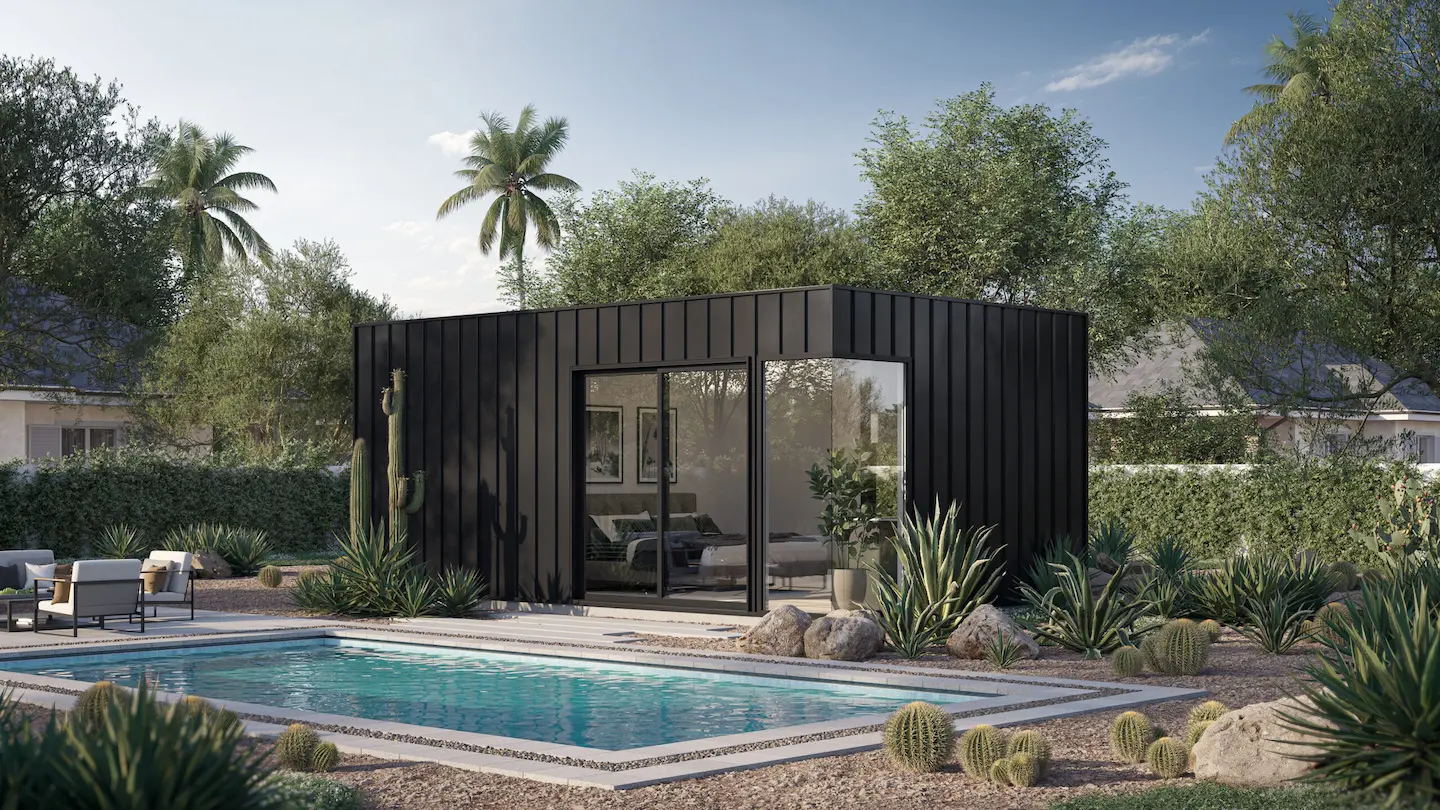
Gardenhouses are reshaping Arizona’s residential landscape in ways few anticipated, and we actually witnessed this firsthand walking through a client’s property in Paradise Valley last spring.
Among the mesquite trees, we stood in an underused corner of their two-acre lot, between a heritage citrus grove and the desert garden they’d cultivated for twenty years.
The client wanted a flexible sanctuary, one that accommodated her mom’s artistic passions (she wanted a room for her to paint in), a quiet desk area so she herself could work from home, and a way to intertwine their lives at the end of the day too, over good food and conversation.
These are the kinds of dreams gardenhouses are starting to adapt to here in Arizona.
Once relegated to storing rakes and potting soil, they’re the unassuming Swiss Army knife of accessory structures, solving everything from housing challenges to creative block.
These versatile buildings are fully changing how we think about our properties, our families, and our futures.
Beyond Tool Storage
To appreciate today’s gardenhouse renaissance, let’s go back in time and understand its humble origins.
Traditional gardenhouses served purely utilitarian purposes, protecting tools from monsoon rains, storing fertilizer away from curious pets.
These structures rarely exceeded 100 square feet and often consisted of prefabricated metal sheds that baked in summer sun.
Today’s gardenhouse inhabits an entirely different universe.
According to research from the American Institute of Architects, accessory structures now represent the fastest-growing segment of residential construction, with gardenhouses leading the charge in temperate climates.
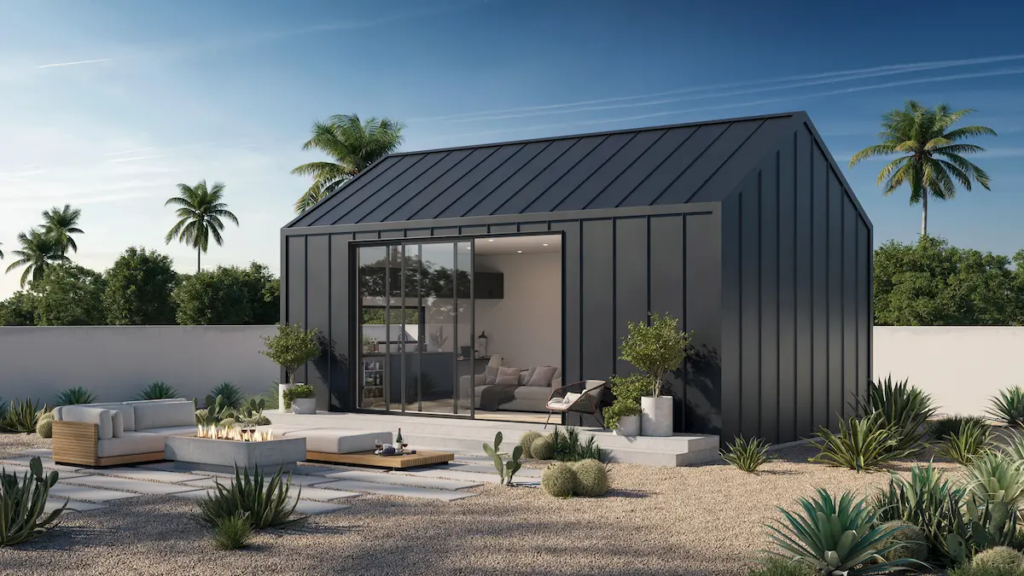
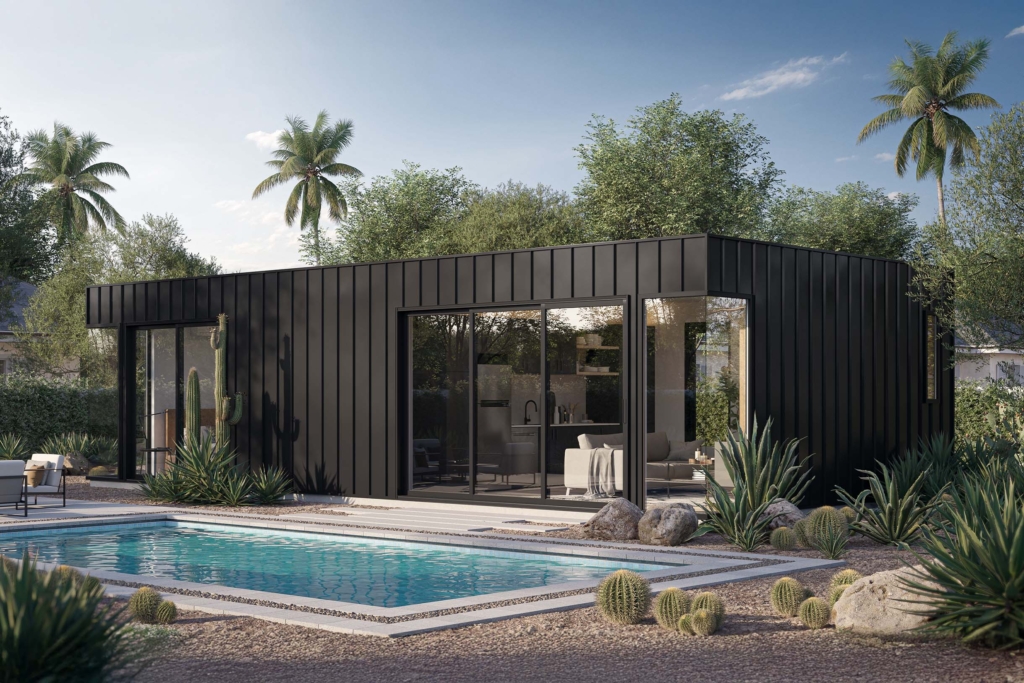
These modern incarnations range from 400 to 1,200 square feet, incorporating full bathrooms, kitchens, climate control, and architectural details that rival main residences.
And the shift reflects broader societal changes that accelerated dramatically since 2020.
The Pew Research Center reports that 59.7 million Americans now live in multigenerational households, a figure that has quadrupled over five decades.
And it makes sense, given that gardenhouses provide elegant solutions to the spatial and privacy challenges these arrangements create.
Unlike additions that permanently alter main homes, gardenhouses offer flexibility.
Today’s art studio becomes tomorrow’s home office, next year’s guest suite, or eventually, comfortable quarters for aging parents.
And we believe it’s this versatility that explains why understanding what it takes to build a house has become relevant even for those not planning traditional home construction.
Considering the possibilities of a gardenhouse could completely change your lifestyle.
The Arizona Advantage
Arizona’s unique climate and lifestyle create ideal conditions for gardenhouse development.
Our 300+ days of sunshine enable year-round construction schedules impossible in northern states.
The minimal rainfall (Phoenix averages just 8.03 inches annually according to National Weather Service data) reduces moisture-related maintenance.
And trust those of us at MLC who’ve worked elsewhere in the country, those sorts of issues plague gardenhouses in humid climates.
But the advantages extend beyond weather.
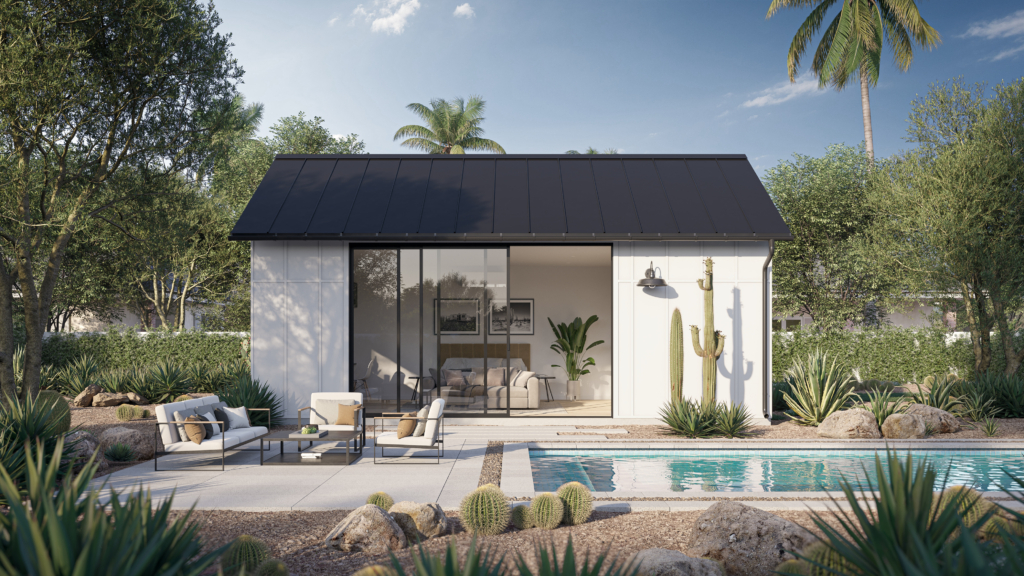
Arizona’s outdoor living culture means gardenhouses become natural extensions of daily life rather than seasonal retreats.
The journey between main house and gardenhouse becomes a pleasant passage through desert gardens.
This integration is precisely why building a home in Arizona means thinking beyond the main house: our properties function as unified ecosystems.
The desert environment does present unique challenges that demand specialized expertise.
Phoenix experiences temperature swings of up to 30 degrees Fahrenheit in a single day.
These thermal cycles stress building materials, causing expansion and contraction that can destroy inadequately designed structures.
And then, of course, solar orientation becomes critical in gardenhouse design.
We’re going for a gardenhouse, not a greenhouse after all!
Unlike cooler climates where southern exposure maximizes beneficial solar gain, Arizona gardenhouses require careful shading strategies.
We position structures to minimize western exposure, incorporate deep overhangs calculated for our specific latitude, and specify low-E windows that reject heat while maintaining visibility.
These passive design strategies can reduce cooling costs by up to 40% according to Department of Energy research.
The New Economics of Gardenhouse Investment
The financial mathematics of gardenhouse construction have shifted dramatically, making these structures strategic investments rather than luxury amenities.
Construction costs for quality gardenhouses typically range from $125 to $275 per square foot, depending on finishes and systems.
This pricing reflects the reality that gardenhouses require the same structural integrity and mechanical systems as primary residences.
And while modular homes are Phoenix’s smartest solution for many applications, gardenhouses often benefit from site-built construction that can navigate unique property constraints and maximize integration with existing landscapes.
The return on investment manifests through multiple channels too.
Zillow’s research indicates that homes with ADUs sell for 35% more on average than comparable properties without these structures.
For a $600,000 Phoenix home, this premium translates to $210,000 in additional value, often exceeding the gardenhouse construction cost.
Also, rental income provides another compelling return stream.
AirDNA’s market analysis tell us that Phoenix short-term rentals average $175 per night with 68% occupancy rates.
Put another way, a well-appointed gardenhouse can generate $3,500 to $4,500 monthly in gross rental income.
But perhaps the most valuable returns resist simple financial quantification: the ability to provide independent living space for adult children struggling with housing affordability, the option to age in place with live-in care, the flexibility to pursue creative passions.
These benefits profoundly impact quality of life and save a pretty penny in the long run too.
Designing Multi-Functional Spaces
Modern gardenhouse design creates environments that adapt seamlessly to evolving needs.
This requires understanding both current requirements and anticipating future possibilities, a design philosophy that parallels the art of luxury home renovations in its attention to detail and long-term thinking.
The most successful gardenhouses incorporate what we call “convertible infrastructure,” systems and layouts that support multiple uses without extensive renovation.
We specify electrical systems with capacity for future EV charging, understanding that today’s art studio might become tomorrow’s garage apartment.
Plumbing rough-ins anticipate potential kitchen or bathroom additions.
Natural light strategies prove particularly crucial as well.
Unlike main homes with windows on all sides, gardenhouses often face orientation constraints due to property lines or privacy concerns.
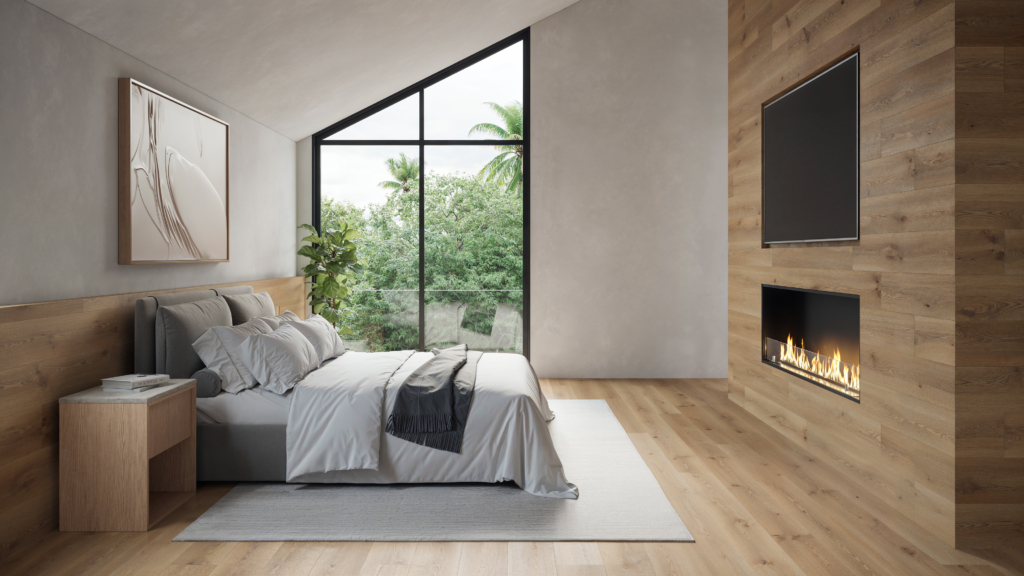
We employ clerestory windows, skylights, and light tubes to introduce daylight from above.
And as it turns out, proper daylighting improves mood, productivity, and sleep quality.
A client told us their gardenhouse studio has “completely changed” their creative practice.
The northern light from carefully positioned windows provides consistent illumination for painting, while the separation from the main house eliminates household distractions.
Kitchen and Bathroom Considerations
The kitchen determines gardenhouse functionality more than any other single element.
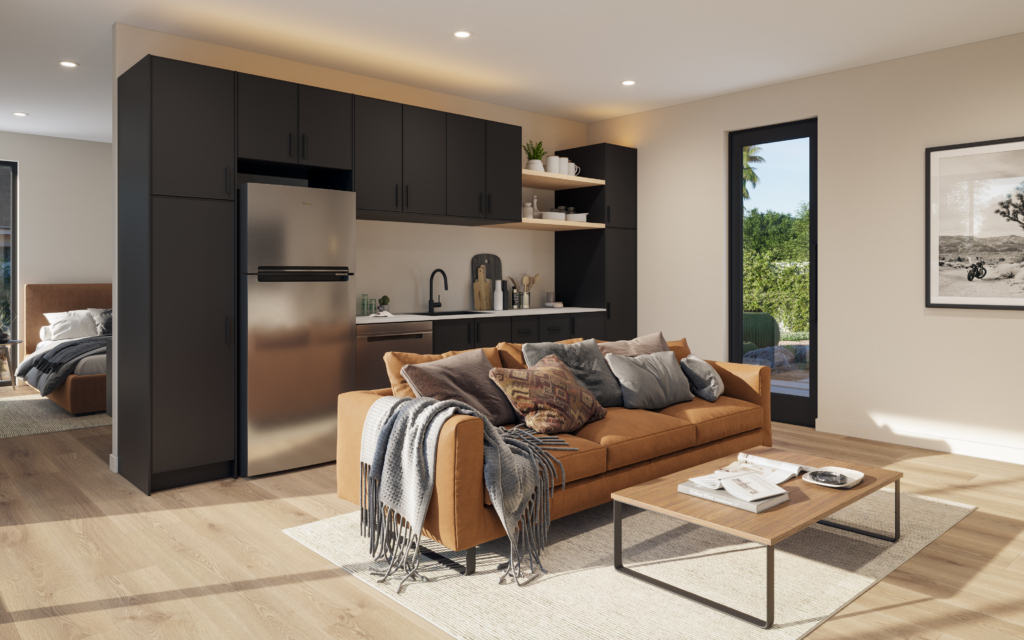
Even modest pantry kitchens with apartment-sized appliances enable extended stays and rental potential.
Fortunately, your ADU kitchen renovation costs less than you may think when planned well enough.
We recommend focusing on efficiency rather than size:
- Compact appliances designed for small spaces
- Under-counter refrigeration that doesn’t dominate the room
- Induction cooktops requiring minimal ventilation
- Combination microwave-convection ovens replacing traditional ranges
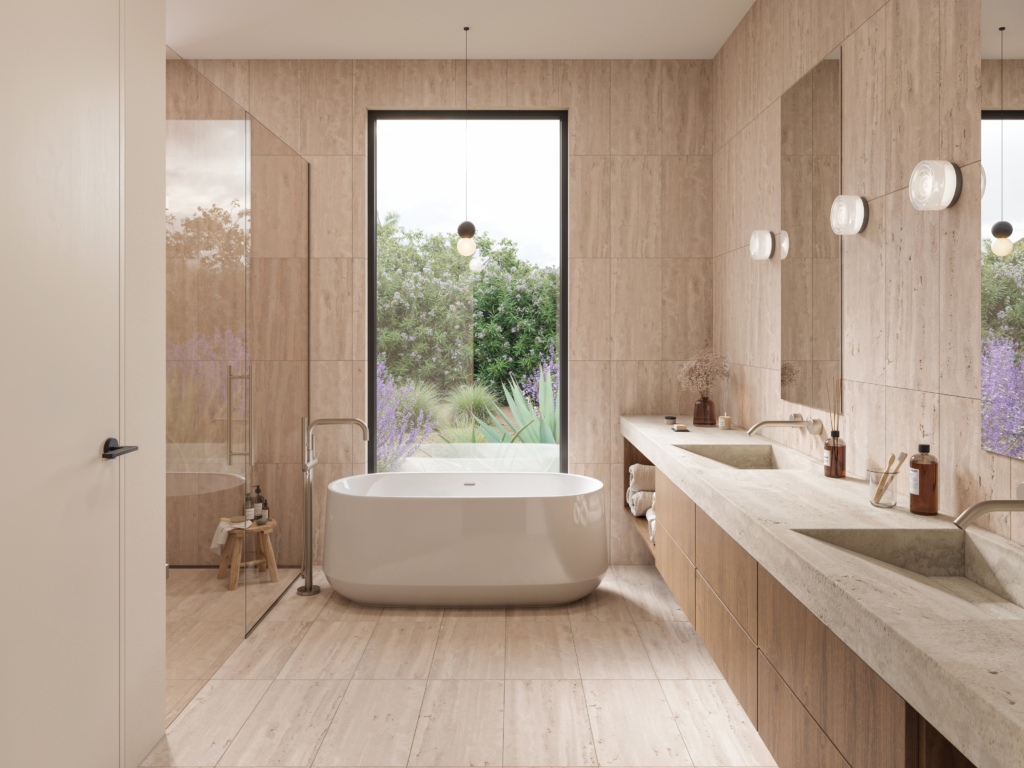
Bathroom design requires balancing functionality with space constraints.
Full bathrooms with separate showers add significant value and utility.
Wet room designs borrowed from European hospitality maximize space while providing luxurious experiences.
Universal design principles ensure accessibility as needs evolve.
Vertical Possibilities
While single-story gardenhouses dominate the market, two-story designs offer compelling advantages for specific situations.
Vertical construction maximizes limited footprints, particularly valuable in established neighborhoods with smaller lots.
This approach parallels the success of 2-story modular homes and why Phoenix is embracing factory-built innovation, though gardenhouses typically benefit from site-built construction’s customization capabilities.
Upper levels provide separation between public and private functions.
Ground floors might serve as workshops, studios, or entertainment spaces, while upper levels offer quiet retreats for sleeping or focused work.
Views from elevated positions can be remarkable.
Upper levels often clear fence lines and neighboring structures, providing territorial views impossible from ground level.
As part of our design approach at MLC, we almost always position windows to capture mountain vistas or city lights while maintaining privacy.
Garden Integration
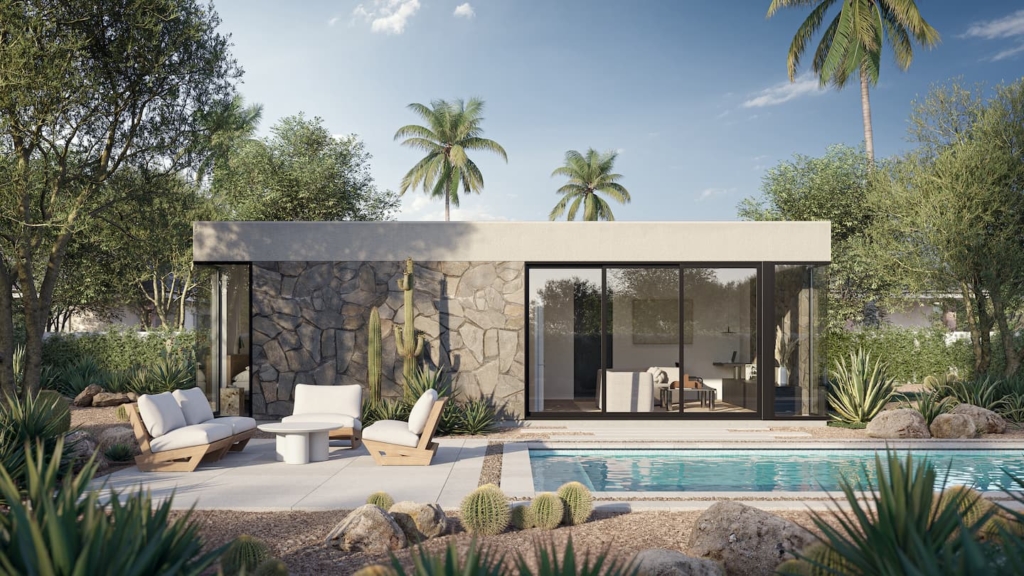
The relationship between gardenhouse and landscape determines whether structures feel integral or imposed.
Successful projects create dialogue between architecture and nature.
Transitional spaces (patios, pergolas, arbors) blur boundaries between inside and out.
We design these zones with materials that reference both gardenhouse and garden, creating visual and functional continuity.
Decomposed granite pathways provide stable walking surfaces that harmonize with desert aesthetics.
Plant selection focuses on species that thrive with minimal intervention.
The Arizona Native Plant Society recommends desert-adapted species that provide year-round interest.
Palo verde trees offer filtered shade without excessive leaf drop.
Agaves and ocotillos provide sculptural elements that complement modern architecture.
Future-Proofing Your Investment
Building for an uncertain future requires incorporating flexibility and resilience into gardenhouse design.
Climate resilience begins with robust building envelopes.
We specify insulation levels exceeding current code requirements, understanding that future temperatures will likely surpass current extremes.
Impact-resistant windows protect against intensifying storms.
The National Climate Assessment projects that Phoenix could experience 30 additional days above 110°F by 2050.
Technological infrastructure anticipates future innovations.
Empty conduits allow easy cable additions without wall damage.
Electrical panels include spare capacity for unknown future loads.
Demographic flexibility ensures gardenhouses remain relevant as family needs evolve.
Universal design principles accommodate aging in place.
Modular furniture systems allow quick reconfiguration.
Separate HVAC zones permit partial conditioning when fully occupied space isn’t needed.
Making Your Vision Reality
Every successful gardenhouse project begins with clear vision and realistic expectations.
Understanding your motivations, whether creating rental income, supporting family members, or pursuing creative passions, guides design decisions.
Site evaluation should happen early, as early as possible ideally.
And of course, not every property suits a gardenhouse addition.
We examine setback requirements, utility access, soil conditions, and tree preservation requirements to give you an honest answer.
Also, understanding how long does it take to build an ADU helps set realistic expectations.
Budget planning extends beyond construction costs to encompass permits, utilities, landscaping, and furnishing.
We typically recommend allocating 15-20% of construction budgets for site work and utilities.
The cost of building an ADU in Phoenix varies significantly based on existing infrastructure, and financing an ADU in Arizona requires careful planning.
Your Gardenhouse
The gardenhouse can truly shift how we live, work, and relate to family.
These structures provide solutions to pressing challenges while creating opportunities for richer, more flexible lifestyles.
At MLC, we bring extensive expertise in creating structures that enhance lifestyles while maximizing investment returns.
With over 100 successful accessory structure projects across greater Phoenix, we understand the unique challenges and opportunities these buildings present.
Schedule a consultation to explore your property’s potential, and get your ADU quote to begin your gardenhouse journey.