Casita | Minimal Living Concepts

NOVEMBER 19TH

Why Casitas Are Changing Arizona Backyards Into Multi-Generational Havens

Back to all articles

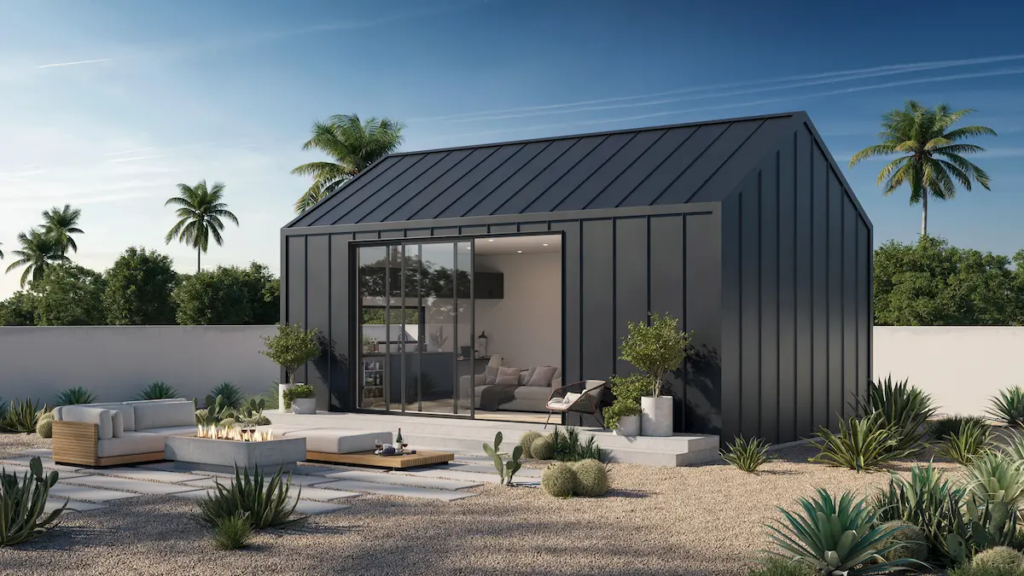
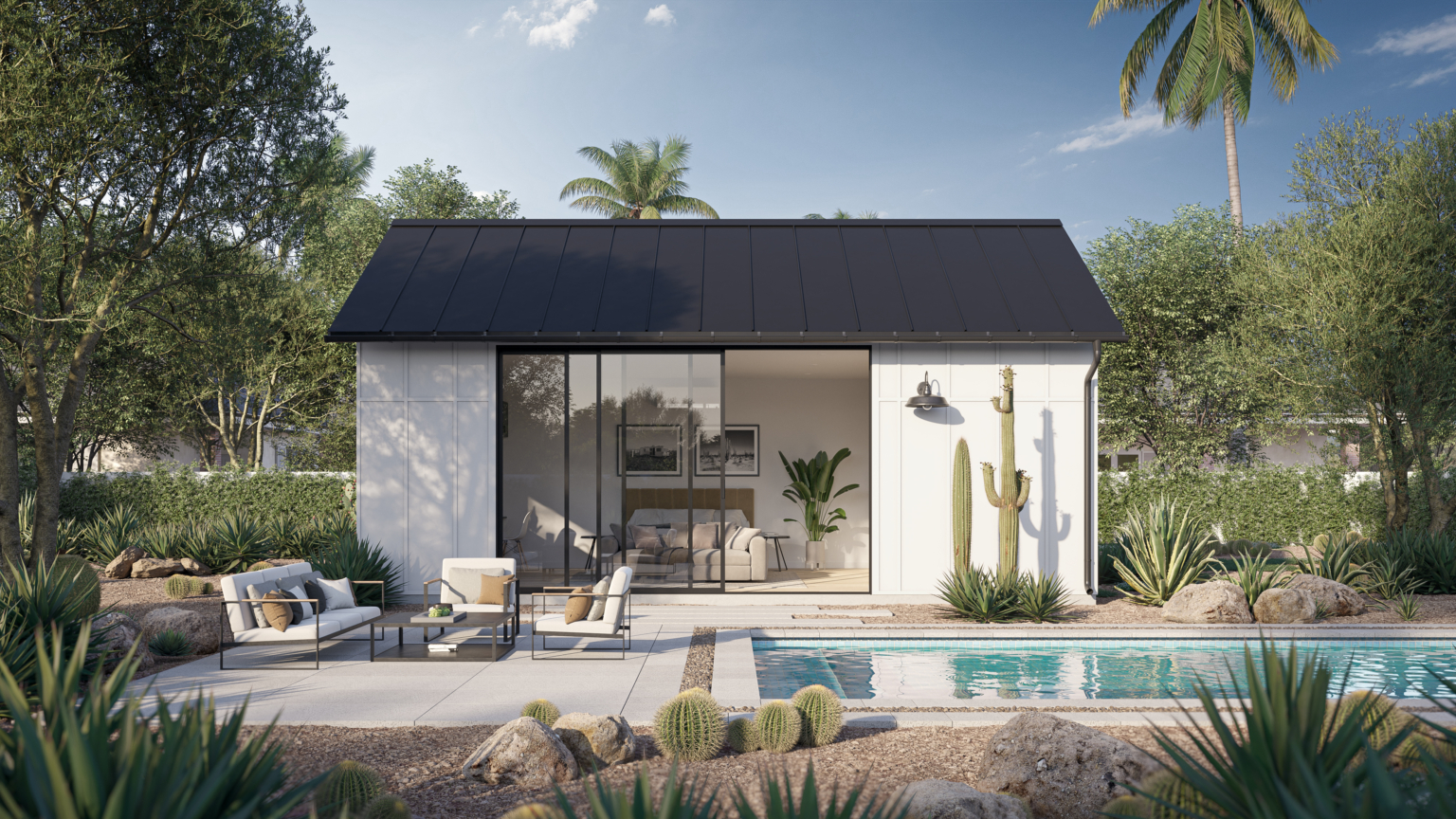
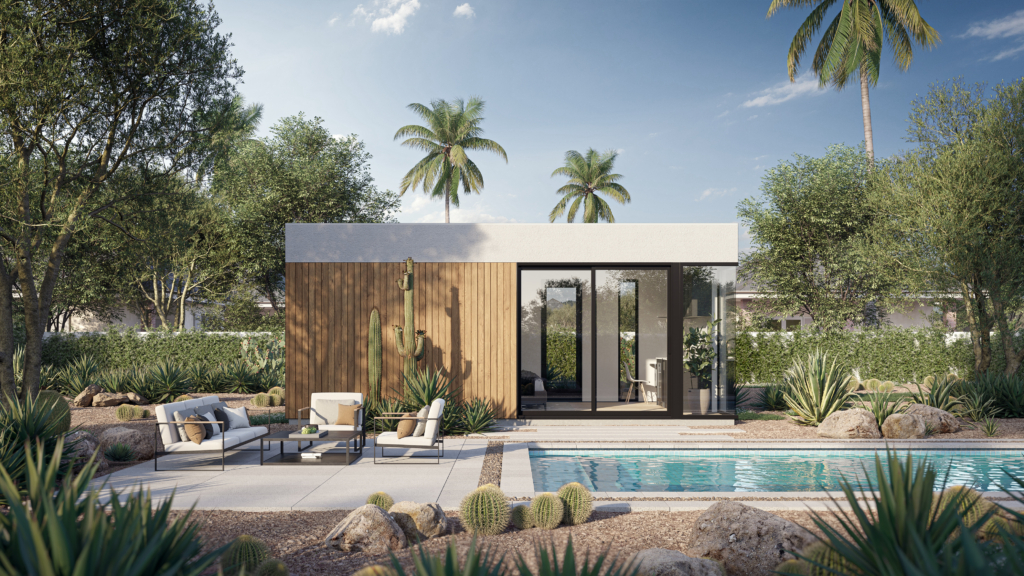
Casitas are reshaping how Arizona families approach multi-generational living, and we at MLC are seeing this play out in real time across Phoenix. 

The casita, Spanish for “little house,” has evolved from cultural tradition into Arizona’s practical answer to housing affordability, aging in place, and remote work demands. 

These compact structures, typically ranging from 400 to 800 square feet, have deep roots in Spanish colonial architecture but have evolved into a modern housing solution perfectly suited to Arizona’s lifestyle and climate. 

It’s designed to provide both independence and proximity for extended family members, generate rental income, or serve as dedicated workspace. 

With their historical origins in Spanish colonial settlements dating back to the 1700s in Arizona, casitas offer a time-tested approach family life.

And the casita has renewed value today, as we face affordability challenges, aging-in-place needs, and the demand for flexible living arrangements.

Today, these compact dwellings might be thought of as a return to multi-generational living wrapped in contemporary comfort.


The Many Lives of a Casita

One of the most compelling aspects of casitas is their remarkable versatility. 

While multi-generational living may be the most common application, these structures adapt to whatever your life demands. 

Remote workers are increasingly converting casitas into dedicated home offices, creating professional separation from household distractions without the commute or expense of external office space. 

Fitness enthusiasts are transforming them into private gyms, complete with equipment, mirrors, and climate control that would be impractical to accommodate in a main home. 

Guest houses represent another popular use, offering visiting friends and family genuine privacy and comfort rather than the awkwardness of a spare bedroom. 

And for homeowners looking to offset mortgage costs or generate passive income, casitas function beautifully as rental units.

Phoenix’s robust rental market means a well-designed 600-square-foot casita can generate $1,200 to $2,000 monthly.

But perhaps most valuably, casitas don’t lock you into a single purpose. 

That home office can become a guest house when relatives visit, then transition into rental income if your financial priorities shift, and eventually serve as an aging parent’s residence. 

This flexibility to evolve with your changing needs makes casitas one of the most strategic investments you can make in your property.
Casita | Minimal Living Concepts

From Colonial Architecture to Modern Solution

Casitas trace their roots to Spanish colonial architecture, where main houses were surrounded by smaller structures for extended family and workers. 

These auxiliary dwellings appeared in Arizona settlements as early as the 1700s, built from adobe with flat roofs and small windows to combat desert heat.

And in my mind, today’s return to casitas reflects pressing economic realities. 

The Federal Reserve Bank of St. Louis reports that Arizona home prices have increased 140% since 2015. 

And casitas provide an elegant solution, essentially ADUs with their own spin.

Adult children can save for down payments while living affordably, aging parents maintain autonomy while staying close, and homeowners generate rental income to offset mortgages.

Casitas require the same quality construction as main homes, just in concentrated form.

And contrary to what may be popular belief, they can be relatively affordable to build too (when the building’s done right, of course).


The Economics Behind the Investment

To construct a casita, the costs typically range from $175,000 to $250,000 for a 600-square-foot structure. 

While this investment seems substantial, multiple value streams often justify the expense, and you can squeeze a lot out of this space for a relatively low price.

The National Association of Realtors reports that properties with accessory dwellings sell 20% faster and command 10% premiums over comparable homes. 

Rental income is also a perfect way to ensure fairly immediate returns, with Phoenix casitas generating $1,200 to $2,000 monthly for long-term rentals, according to Rentometer data.

The flexibility casitas provide proves equally valuable. 

They can change, adapt, move with the times, and move with a family or individual as they age, grow, change, and take on new passions and hobbies.

Sometimes, nurturing and nourishing your life means looking beyond the main house to accommodate all sorts of possibilities beyond traditional walls.
 

Casita | Minimal Living Concepts

Maximizing Every Square Foot

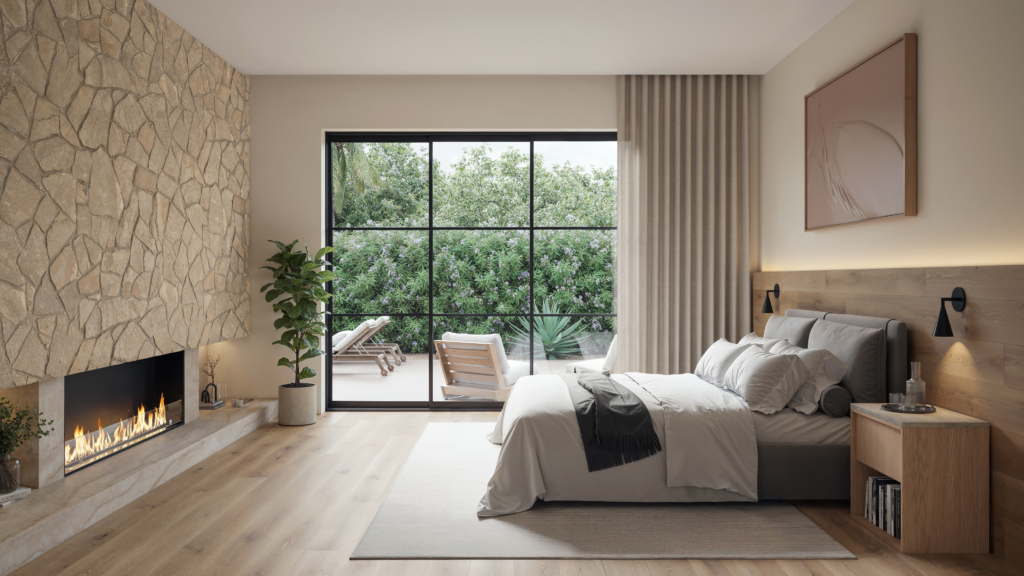
In a smaller space, finding ways to maximize every square foot through intelligent design can help squeeze out every bit of what a casita has to offer. 

Open floor plans are a first thing springing to mind, as they so easily eliminate unnecessary hallways.

High ceilings can also create spatial volume without expanding footprints. 

Built-in furniture serves double duty, with window seats providing storage, murphy beds converting bedrooms into offices, kitchen islands offering dining surfaces.

The kitchen deserves particular attention since it often determines a casita’s livability. 

Fortunately, your ADU kitchen renovation may cost less than you think when planned strategically. 

And apartment-sized appliances deliver full functionality in compact footprints.

Technology integration enhances casita functionality. 

The Consumer Technology Association reports that smart home devices can reduce energy consumption 23% through automated climate control and lighting.


Designing for Arizona’s Climate

Arizona’s extreme climate shapes every aspect of casita design … and every aspect of pretty much all our designs here at MLC.

It really is one of the first things we think about when putting pen to paper.

Summer temperatures exceed 115°F, so skipping this consideration really isn’t an option if you don’t want to drown in the kind of heat that makes mirages.

Winter temperature swings of 40 degrees in a single day are another battle, and those require a completely different set of design approaches.

The National Renewable Energy Laboratory emphasizes that proper orientation and insulation can reduce cooling costs by 35% in hot climates. 

And so, smart casita design starts with orientation, minimizing western exposure while maximizing northern light. 

Deep overhangs calculated for Phoenix’s 33.4° latitude block summer sun while admitting warming winter rays.

And the importance of material selection cannot be overstated.

Traditional stucco over frame construction provides durability and thermal mass, while cool roof coatings reflect solar radiation. 

The Cool Roof Rating Council documents that reflective roofing can reduce surface temperatures by 50°F. 

One client recently told us his casita stays comfortable even during peak summer afternoons.

That was something he hadn’t expected, but it was definitely something we planned into the project very early on.


Understanding Regulations

Arizona municipalities have increasingly embraced casitas as housing solutions, though regulations vary significantly:

Phoenix allows casitas up to 1,000 square feet on lots exceeding 7,000 square feet, while Scottsdale permits 850 square feet but requires architectural review ensuring compatibility with neighborhood character

The International Code Council provides model codes many jurisdictions adopt, standardizing safety requirements while allowing local customization. 

Permitting typically requires 8-12 weeks, while construction spans 4-6 months for standard casitas.
Building a Home | Minimal Living Concepts

Construction Approach Matters

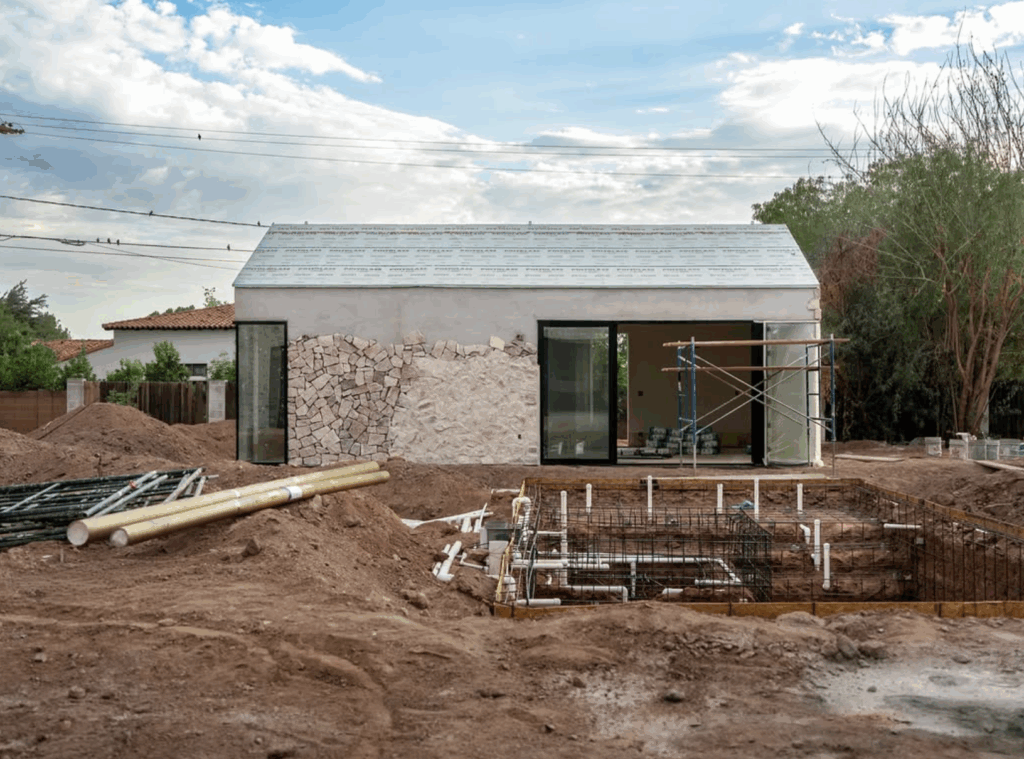
While modular homes are Phoenix’s smartest solution for many applications, casitas often benefit from site-built construction’s customization potential. 

Irregular lots, existing landscape features, and architectural matching with main houses frequently demand flexibility that modular construction struggles to provide.

We’ve found that site-specific design allows for nuanced responses to unique environmental and personal requirements. 

Traditional construction methods are accepted and easily permitted in every city within the Valley, and banks will finance them without hesitation, something that matters tremendously when you’re planning how to finance an ADU in Arizona.


Creating Multi-Generational Harmony

At MLC, our definition of a good casita project is one that balances proximity with privacy, creating environments where multiple generations thrive together. 

The Milken Institute’s Best Cities for Successful Aging ranks Phoenix highly partly due to housing options enabling families to support aging members while maintaining independence.

Landscape design plays a crucial role in this balance, as separate entrances prevent traffic through main houses. 

Privacy screens using native plants like oleander or Texas sage create visual separation without fortress-like walls. 

Shared spaces (perhaps a ramada between houses) can also encourage interaction without forcing it.

There’s also sound isolation, which may deserve careful consideration depending on what you’d like to use a casita for. 

The Acoustical Society of America recommends specific construction techniques minimizing sound transmission between structures.

A recent client shared that their mother-in-law casita has “completely changed our family dynamics for the better.” 

She’s close enough for daily visits but has her own space for hosting friends and maintaining independence. 

That balance is what makes casitas work and what’s drawing people toward them.


Time to Build Your Casita?

At the heart of the casita is a lifestyle philosophy valuing family connection, financial flexibility, and sustainable living. 

Whether housing aging parents, providing rental income, or creating dedicated workspace, casitas solve contemporary challenges with time-tested wisdom.

Success requires careful planning, quality construction, and clear vision. 

Understanding the cost of building an ADU in Phoenix, regulations, and design principles prevents expensive mistakes while ensuring your casita enhances both property value and quality of life.

We’ve completed over 100 successful accessory structure projects throughout greater Phoenix, and we understand the unique challenges these special buildings present. 

Getting your ADU quote is the first step toward discovering how a thoughtfully designed casita can solve your family’s housing needs while creating lasting value.

If you’re keen to explore what a casita could mean for your property, don’t hesitate to schedule a consultation, so we can chat about the many ways we may help bring your visitation to life and ensure quality from start to finish.
 

You might be also interested in.

Prebuilt Homes | Minimal Living Concepts

​​Prebuilt Homes and the Arizona ADU Movement: Why Traditional Construction Still Wins

Casitas are reshaping how Arizona families approach multi-generational living, and we at MLC are seeing this play out in real time across Phoenix.  The casita, Spanish for “little house,” has evolved from cultural tradition into Arizona’s practical answer to housing affordability, aging in place, and remote work demands.  These compact structures, typically ranging from 400 to 800 square feet, have deep roots in Spanish colonial architecture but have evolved into a modern housing solution perfectly suited to Arizona’s lifestyle and climate.  It’s designed to provide both independence and proximity for extended family members, generate rental income, or serve as dedicated workspace.  With their historical origins in Spanish colonial settlements dating back to the 1700s in Arizona, casitas offer a time-tested approach family life. And the casita has renewed value today, as we face affordability challenges, aging-in-place needs, and the demand for flexible living arrangements. Today, these compact dwellings might be thought of as a return to multi-generational living wrapped in contemporary comfort.   The Many Lives of a Casita One of the most compelling aspects of casitas is their remarkable versatility.  While multi-generational living may be the most common application, these structures adapt to whatever your life demands.  Remote workers are increasingly converting casitas into dedicated home offices, creating professional separation from household distractions without the commute or expense of external office space.  Fitness enthusiasts are transforming them into private gyms, complete with equipment, mirrors, and climate control that would be impractical to accommodate in a main home.  Guest houses represent another popular use, offering visiting friends and family genuine privacy and comfort rather than the awkwardness of a spare bedroom.  And for homeowners looking to offset mortgage costs or generate passive income, casitas function beautifully as rental units. Phoenix’s robust rental market means a well-designed 600-square-foot casita can generate $1,200 to $2,000 monthly. But perhaps most valuably, casitas don’t lock you into a single purpose.  That home office can become a guest house when relatives visit, then transition into rental income if your financial priorities shift, and eventually serve as an aging parent’s residence.  This flexibility to evolve with your changing needs makes casitas one of the most strategic investments you can make in your property. From Colonial Architecture to Modern Solution Casitas trace their roots to Spanish colonial architecture, where main houses were surrounded by smaller structures for extended family and workers.  These auxiliary dwellings appeared in Arizona settlements as early as the 1700s, built from adobe with flat roofs and small windows to combat desert heat. And in my mind, today’s return to casitas reflects pressing economic realities.  The Federal Reserve Bank of St. Louis reports that Arizona home prices have increased 140% since 2015.  And casitas provide an elegant solution, essentially ADUs with their own spin. Adult children can save for down payments while living affordably, aging parents maintain autonomy while staying close, and homeowners generate rental income to offset mortgages. Casitas require the same quality construction as main homes, just in concentrated form. And contrary to what may be popular belief, they can be relatively affordable to build too (when the building’s done right, of course).   The Economics Behind the Investment To construct a casita, the costs typically range from $175,000 to $250,000 for a 600-square-foot structure.  While this investment seems substantial, multiple value streams often justify the expense, and you can squeeze a lot out of this space for a relatively low price. The National Association of Realtors reports that properties with accessory dwellings sell 20% faster and command 10% premiums over comparable homes.  Rental income is also a perfect way to ensure fairly immediate returns, with Phoenix casitas generating $1,200 to $2,000 monthly for long-term rentals, according to Rentometer data. The flexibility casitas provide proves equally valuable.  They can change, adapt, move with the times, and move with a family or individual as they age, grow, change, and take on new passions and hobbies. Sometimes, nurturing and nourishing your life means looking beyond the main house to accommodate all sorts of possibilities beyond traditional walls.   Maximizing Every Square Foot In a smaller space, finding ways to maximize every square foot through intelligent design can help squeeze out every bit of what a casita has to offer.  Open floor plans are a first thing springing to mind, as they so easily eliminate unnecessary hallways. High ceilings can also create spatial volume without expanding footprints.  Built-in furniture serves double duty, with window seats providing storage, murphy beds converting bedrooms into offices, kitchen islands offering dining surfaces. The kitchen deserves particular attention since it often determines a casita’s livability.  Fortunately, your ADU kitchen renovation may cost less than you think when planned strategically.  And apartment-sized appliances deliver full functionality in compact footprints. Technology integration enhances casita functionality.  The Consumer Technology Association reports that smart home devices can reduce energy consumption 23% through automated climate control and lighting.   Designing for Arizona’s Climate Arizona’s extreme climate shapes every aspect of casita design … and every aspect of pretty much all our designs here at MLC. It really is one of the first things we think about when putting pen to paper. Summer temperatures exceed 115°F, so skipping this consideration really isn’t an option if you don’t want to drown in the kind of heat that makes mirages. Winter temperature swings of 40 degrees in a single day are another battle, and those require a completely different set of design approaches. The National Renewable Energy Laboratory emphasizes that proper orientation and insulation can reduce cooling costs by 35% in hot climates.  And so, smart casita design starts with orientation, minimizing western exposure while maximizing northern light.  Deep overhangs calculated for Phoenix’s 33.4° latitude block summer sun while admitting warming winter rays. And the importance of material selection cannot be overstated. Traditional stucco over frame construction provides durability and thermal mass, while cool roof coatings reflect solar radiation.  The Cool Roof Rating Council documents that reflective roofing can reduce surface temperatures by 50°F.  One client recently

She Shed | Minimal Living Concepts

The She Shed: How Arizona Homeowners Are Reclaiming Space Through Thoughtful ADU Design

Casitas are reshaping how Arizona families approach multi-generational living, and we at MLC are seeing this play out in real time across Phoenix.  The casita, Spanish for “little house,” has evolved from cultural tradition into Arizona’s practical answer to housing affordability, aging in place, and remote work demands.  These compact structures, typically ranging from 400 to 800 square feet, have deep roots in Spanish colonial architecture but have evolved into a modern housing solution perfectly suited to Arizona’s lifestyle and climate.  It’s designed to provide both independence and proximity for extended family members, generate rental income, or serve as dedicated workspace.  With their historical origins in Spanish colonial settlements dating back to the 1700s in Arizona, casitas offer a time-tested approach family life. And the casita has renewed value today, as we face affordability challenges, aging-in-place needs, and the demand for flexible living arrangements. Today, these compact dwellings might be thought of as a return to multi-generational living wrapped in contemporary comfort.   The Many Lives of a Casita One of the most compelling aspects of casitas is their remarkable versatility.  While multi-generational living may be the most common application, these structures adapt to whatever your life demands.  Remote workers are increasingly converting casitas into dedicated home offices, creating professional separation from household distractions without the commute or expense of external office space.  Fitness enthusiasts are transforming them into private gyms, complete with equipment, mirrors, and climate control that would be impractical to accommodate in a main home.  Guest houses represent another popular use, offering visiting friends and family genuine privacy and comfort rather than the awkwardness of a spare bedroom.  And for homeowners looking to offset mortgage costs or generate passive income, casitas function beautifully as rental units. Phoenix’s robust rental market means a well-designed 600-square-foot casita can generate $1,200 to $2,000 monthly. But perhaps most valuably, casitas don’t lock you into a single purpose.  That home office can become a guest house when relatives visit, then transition into rental income if your financial priorities shift, and eventually serve as an aging parent’s residence.  This flexibility to evolve with your changing needs makes casitas one of the most strategic investments you can make in your property. From Colonial Architecture to Modern Solution Casitas trace their roots to Spanish colonial architecture, where main houses were surrounded by smaller structures for extended family and workers.  These auxiliary dwellings appeared in Arizona settlements as early as the 1700s, built from adobe with flat roofs and small windows to combat desert heat. And in my mind, today’s return to casitas reflects pressing economic realities.  The Federal Reserve Bank of St. Louis reports that Arizona home prices have increased 140% since 2015.  And casitas provide an elegant solution, essentially ADUs with their own spin. Adult children can save for down payments while living affordably, aging parents maintain autonomy while staying close, and homeowners generate rental income to offset mortgages. Casitas require the same quality construction as main homes, just in concentrated form. And contrary to what may be popular belief, they can be relatively affordable to build too (when the building’s done right, of course).   The Economics Behind the Investment To construct a casita, the costs typically range from $175,000 to $250,000 for a 600-square-foot structure.  While this investment seems substantial, multiple value streams often justify the expense, and you can squeeze a lot out of this space for a relatively low price. The National Association of Realtors reports that properties with accessory dwellings sell 20% faster and command 10% premiums over comparable homes.  Rental income is also a perfect way to ensure fairly immediate returns, with Phoenix casitas generating $1,200 to $2,000 monthly for long-term rentals, according to Rentometer data. The flexibility casitas provide proves equally valuable.  They can change, adapt, move with the times, and move with a family or individual as they age, grow, change, and take on new passions and hobbies. Sometimes, nurturing and nourishing your life means looking beyond the main house to accommodate all sorts of possibilities beyond traditional walls.   Maximizing Every Square Foot In a smaller space, finding ways to maximize every square foot through intelligent design can help squeeze out every bit of what a casita has to offer.  Open floor plans are a first thing springing to mind, as they so easily eliminate unnecessary hallways. High ceilings can also create spatial volume without expanding footprints.  Built-in furniture serves double duty, with window seats providing storage, murphy beds converting bedrooms into offices, kitchen islands offering dining surfaces. The kitchen deserves particular attention since it often determines a casita’s livability.  Fortunately, your ADU kitchen renovation may cost less than you think when planned strategically.  And apartment-sized appliances deliver full functionality in compact footprints. Technology integration enhances casita functionality.  The Consumer Technology Association reports that smart home devices can reduce energy consumption 23% through automated climate control and lighting.   Designing for Arizona’s Climate Arizona’s extreme climate shapes every aspect of casita design … and every aspect of pretty much all our designs here at MLC. It really is one of the first things we think about when putting pen to paper. Summer temperatures exceed 115°F, so skipping this consideration really isn’t an option if you don’t want to drown in the kind of heat that makes mirages. Winter temperature swings of 40 degrees in a single day are another battle, and those require a completely different set of design approaches. The National Renewable Energy Laboratory emphasizes that proper orientation and insulation can reduce cooling costs by 35% in hot climates.  And so, smart casita design starts with orientation, minimizing western exposure while maximizing northern light.  Deep overhangs calculated for Phoenix’s 33.4° latitude block summer sun while admitting warming winter rays. And the importance of material selection cannot be overstated. Traditional stucco over frame construction provides durability and thermal mass, while cool roof coatings reflect solar radiation.  The Cool Roof Rating Council documents that reflective roofing can reduce surface temperatures by 50°F.  One client recently

ADU Plans | Minimal Living Concepts

ADU Plans: From Blueprint to Backyard Reality

Casitas are reshaping how Arizona families approach multi-generational living, and we at MLC are seeing this play out in real time across Phoenix.  The casita, Spanish for “little house,” has evolved from cultural tradition into Arizona’s practical answer to housing affordability, aging in place, and remote work demands.  These compact structures, typically ranging from 400 to 800 square feet, have deep roots in Spanish colonial architecture but have evolved into a modern housing solution perfectly suited to Arizona’s lifestyle and climate.  It’s designed to provide both independence and proximity for extended family members, generate rental income, or serve as dedicated workspace.  With their historical origins in Spanish colonial settlements dating back to the 1700s in Arizona, casitas offer a time-tested approach family life. And the casita has renewed value today, as we face affordability challenges, aging-in-place needs, and the demand for flexible living arrangements. Today, these compact dwellings might be thought of as a return to multi-generational living wrapped in contemporary comfort.   The Many Lives of a Casita One of the most compelling aspects of casitas is their remarkable versatility.  While multi-generational living may be the most common application, these structures adapt to whatever your life demands.  Remote workers are increasingly converting casitas into dedicated home offices, creating professional separation from household distractions without the commute or expense of external office space.  Fitness enthusiasts are transforming them into private gyms, complete with equipment, mirrors, and climate control that would be impractical to accommodate in a main home.  Guest houses represent another popular use, offering visiting friends and family genuine privacy and comfort rather than the awkwardness of a spare bedroom.  And for homeowners looking to offset mortgage costs or generate passive income, casitas function beautifully as rental units. Phoenix’s robust rental market means a well-designed 600-square-foot casita can generate $1,200 to $2,000 monthly. But perhaps most valuably, casitas don’t lock you into a single purpose.  That home office can become a guest house when relatives visit, then transition into rental income if your financial priorities shift, and eventually serve as an aging parent’s residence.  This flexibility to evolve with your changing needs makes casitas one of the most strategic investments you can make in your property. From Colonial Architecture to Modern Solution Casitas trace their roots to Spanish colonial architecture, where main houses were surrounded by smaller structures for extended family and workers.  These auxiliary dwellings appeared in Arizona settlements as early as the 1700s, built from adobe with flat roofs and small windows to combat desert heat. And in my mind, today’s return to casitas reflects pressing economic realities.  The Federal Reserve Bank of St. Louis reports that Arizona home prices have increased 140% since 2015.  And casitas provide an elegant solution, essentially ADUs with their own spin. Adult children can save for down payments while living affordably, aging parents maintain autonomy while staying close, and homeowners generate rental income to offset mortgages. Casitas require the same quality construction as main homes, just in concentrated form. And contrary to what may be popular belief, they can be relatively affordable to build too (when the building’s done right, of course).   The Economics Behind the Investment To construct a casita, the costs typically range from $175,000 to $250,000 for a 600-square-foot structure.  While this investment seems substantial, multiple value streams often justify the expense, and you can squeeze a lot out of this space for a relatively low price. The National Association of Realtors reports that properties with accessory dwellings sell 20% faster and command 10% premiums over comparable homes.  Rental income is also a perfect way to ensure fairly immediate returns, with Phoenix casitas generating $1,200 to $2,000 monthly for long-term rentals, according to Rentometer data. The flexibility casitas provide proves equally valuable.  They can change, adapt, move with the times, and move with a family or individual as they age, grow, change, and take on new passions and hobbies. Sometimes, nurturing and nourishing your life means looking beyond the main house to accommodate all sorts of possibilities beyond traditional walls.   Maximizing Every Square Foot In a smaller space, finding ways to maximize every square foot through intelligent design can help squeeze out every bit of what a casita has to offer.  Open floor plans are a first thing springing to mind, as they so easily eliminate unnecessary hallways. High ceilings can also create spatial volume without expanding footprints.  Built-in furniture serves double duty, with window seats providing storage, murphy beds converting bedrooms into offices, kitchen islands offering dining surfaces. The kitchen deserves particular attention since it often determines a casita’s livability.  Fortunately, your ADU kitchen renovation may cost less than you think when planned strategically.  And apartment-sized appliances deliver full functionality in compact footprints. Technology integration enhances casita functionality.  The Consumer Technology Association reports that smart home devices can reduce energy consumption 23% through automated climate control and lighting.   Designing for Arizona’s Climate Arizona’s extreme climate shapes every aspect of casita design … and every aspect of pretty much all our designs here at MLC. It really is one of the first things we think about when putting pen to paper. Summer temperatures exceed 115°F, so skipping this consideration really isn’t an option if you don’t want to drown in the kind of heat that makes mirages. Winter temperature swings of 40 degrees in a single day are another battle, and those require a completely different set of design approaches. The National Renewable Energy Laboratory emphasizes that proper orientation and insulation can reduce cooling costs by 35% in hot climates.  And so, smart casita design starts with orientation, minimizing western exposure while maximizing northern light.  Deep overhangs calculated for Phoenix’s 33.4° latitude block summer sun while admitting warming winter rays. And the importance of material selection cannot be overstated. Traditional stucco over frame construction provides durability and thermal mass, while cool roof coatings reflect solar radiation.  The Cool Roof Rating Council documents that reflective roofing can reduce surface temperatures by 50°F.  One client recently

expert 1

Ready to speak with a new home expert?

Schedule a Call >

The Typical Building Process

The ol' fashioned way.

Find an architect

An architect designs your home without discussions with engineers, builders and interior designers. You can’t walk through the home design and experience the layout, proportions of the spaces and quality of the fixtures and fittings.

Hope the design is buildable

An architect designs your home without discussions with engineers, builders and interior designers. You can’t walk through the home design and experience the layout, proportions of the spaces and quality of the fixtures and fittings.

Engineering

The engineer designs the structural systems of the house without any consultations with the contracting builder. They may find costly structural issues with the plan which needs to go back to the architect for alterations, adding to the client’s overall costs.

Collect quotes

The client is happy with the design but at this stage won’t know the true costs of the build or whether it’s on budget until they quote it out to different builders. Often quotes come back with varying degrees of build quality, assumptions, and unknown estimates that don't reflect the real cost of construction.

Quote and fees

It’s up to the client to determine which builder quotes will deliver the best final outcome for them. Throughout the whole process, the architect’s fees are paid as each stage is completed with many architects charging around 6%-18% of your final build costs.

Variable pricing

Because the design team are separate from the construction team, unexpected issues can arise which may add to the build cost. Materials, fittings and features often have to be custom-made to the architect’s and engineer’s specifications, therefore adding to the overall build cost.

Change orders

Because the builder was not involved in the design process and doesn't have a complete understanding of the project, it is very likely that you will experience several cost escalation change orders. The worst part is, the builder profits on these price increases that should have been predicted at the project start.

Our Method

Creating a seamless path to new construction.

Experts working together

Our design and construction team work together on each home design. Our architect, interior designer, engineer and builder collaborate to devise solutions that don’t compromise the style or functionality of the home. This all occurs before a design ever lands on our website.

Curated and custom designs

With MLC, you can choose from a range of meticulously crafted home designs or work with our design team to, alter those designs or create a bespoke design tailored to your unique needs and lifestyle.

Holistic design and build solution

Our streamlined approach saves you time and cost while providing one dedicated team for every aspect of your project. The construction costs are a key consideration throughout the design process for peace of mind, efficiency and certainty.

Transparent pricing

For our pre-designed homes, inclusions and costs are finalised before you commit to building your home. There are no hidden or additional costs due to design revisions once your contract is signed. If an unforeseen condition occurs, we never profit on it. This way our incentives align with you.

Design a bespoke home

Our ‘Bespoke Option’ involves personalised brief-development sessions with our architect and sales teams to fully understand your design parameters. New plans and 3D model elevations and site locality plans will be developed following your brief and in collaboration with our team.

01

Initial brief development consultation

02

Bespoke floor plan presented to client for approval

03

3D model elevation and site locality plan presented to client

04

Site visit to understand the plan in its context and make any design changes needed

05

Finalise the revised floor plans and elevations

06

Select your home’s finishes

Schedule a Call